How to Fix Sensitive Teeth: Causes, Home Fixes and Dentist Options
How to fix sensitive teeth depends on one question: what is exposing the nerve? Sometimes the answer is a better toothpaste. Sometimes it is a cavity or a crack that only a dentist can repair.
The sharp zing from ice water, hot coffee, or cold air is common. The Cochrane review of potassium toothpastes cites an estimate that about 15 percent of the population lives with it, though published rates vary widely between studies.
This guide covers the causes, the home fixes with real evidence behind them, what a dentist can do, and the symptoms that mean you should stop experimenting and book a visit.
What Sensitive Teeth Actually Are
Enamel covers the crown of your tooth. Cementum covers the root. Under both sits dentin, which is softer. The American Dental Association explains that dentin contains microscopic tubules, tiny canals that lead toward the nerve.
When enamel wears thin or gum tissue pulls back, those tubules are exposed. Cold, heat, sweetness, acid, or even a toothbrush bristle can then reach the nerve. The result is a short, sharp pain that fades within seconds.
That timing matters. Pain that lingers for minutes after a trigger, or that wakes you at night, points to a different problem. We cover that below.
The Most Common Causes
The Cleveland Clinic, the ADA, and Mayo Clinic list a similar set of causes. Here are the ones worth checking first.
- Worn enamel. Acidic foods and drinks, such as citrus, tomatoes, pickles, and tea, soften and wear enamel over time. Acid reflux does the same from the inside.
- Gum recession. Receded gums expose the root, which has no enamel cover. Our guide on how to stop receding gums explains why lost gum tissue does not grow back on its own.
- Hard brushing. Heavy pressure or a stiff brush wears enamel and pushes gums back. The Cleveland Clinic names this directly.
- Teeth grinding. Clenching and grinding at night flatten enamel and can crack teeth.
- Gum disease. Inflamed, pulled-back gums leave roots exposed. See how to stop bleeding gums for the early warning signs.
- Decay. A cavity opens a path to the nerve. Our tooth decay guide covers prevention.
- Worn or leaking fillings. The ADA lists these as a source of sensitivity.
- A cracked tooth. The pain can be hard to pin down, which is why dentists take it seriously.
- Whitening products. The Cleveland Clinic lists whitening as a common trigger.
- Recent dental work. A filling or a cleaning can cause short-term soreness that settles.
Notice what is missing from that list: anything a pill can fix. Sensitivity is a physical problem with exposed dentin, so the fix is physical too. You either block the tubules, cover them, or remove the cause.
When It Is Not Just Sensitivity
Treat sensitivity as a symptom, not a diagnosis. Several dental problems feel the same at first. The ADA's symptom guidance on cracked teeth lists pain that comes and goes, sharp pain on biting that disappears fast, and pain with eating or drinking. Some cracked teeth give no clear signs at all.
Mayo Clinic also lists a cavity and a worn filling among the causes. A dentist can tell these apart with an exam and an X-ray. You cannot do it in a mirror.
Here is a rough sorting guide. It does not replace an exam.
- Several teeth, brief zing with cold air or drinks: usually exposed dentin. Home care is a reasonable first step.
- One tooth only, new, and getting worse: book a dentist. A cavity, a crack, or a failing filling is possible.
- Pain on biting or releasing a bite: book a dentist. This fits a crack.
- Pain that lingers or throbs after the trigger is gone: book a dentist soon. The nerve may be inflamed.
- Swelling, a pimple on the gum, or fever: treat it as urgent, since these can signal an abscess.
Home Fixes That Have Real Support
If your pattern fits ordinary sensitivity, start with the basics. These steps are low risk, cheap, and match what the major dental sources recommend.
1. Switch to a soft brush and lighter pressure
Hold the brush like a pen, not a fist. Use small circles along the gumline. If the bristles splay out after a month, you are pressing too hard. Dentists, including those cited by the Cleveland Clinic, recommend a soft-bristled brush.
2. Use a desensitizing toothpaste every day
The ADA says these pastes contain compounds that help block sensation from the tooth surface to the nerve. It also says they typically need multiple applications. So give a paste time before you judge it.
The Cleveland Clinic adds a practical trick: dab the paste on sore spots before bed. Spit, and skip the big rinse.
3. Cut back on acid, and do not brush right after it
Acid softens enamel for a short time. Drink acidic drinks with a meal, use a straw, and rinse with water afterward. Wait before brushing so you do not scrub softened enamel.
4. Protect your teeth at night
If you wake with a sore jaw or flat, shiny tooth edges, you may grind. The Cleveland Clinic recommends a mouth guard for grinding. A dentist can fit a custom one.
5. Keep plaque off the gumline
Plaque inflames gums, and inflamed gums recede. Floss daily and keep your cleaning schedule. Clean teeth and healthy gums are the cheapest long-term protection for exposed roots.
6. Pause whitening
If the sensitivity started after whitening strips or a whitening paste, stop for now. Ask your dentist about a gentler option.
What the Toothpaste Evidence Says
Not all desensitizing pastes have the same evidence. Two active ingredients come up most often, so here is what the research shows. Keep the limits in mind.
| Ingredient | What the research found | Limits |
|---|---|---|
| Potassium nitrate (5%) | The Cochrane review pooled six trials with 390 people. Air-blast and touch tests improved, but patients' own ratings showed no significant difference from control paste. | The authors say the evidence rests on a small number of people and that results vary with the test used. |
| Stannous fluoride | In an 8-week randomized trial (120 randomized, 118 finished), 53 percent of stannous fluoride users reached complete relief at week 8, versus 28 percent with potassium nitrate. | It is one trial, so treat it as a promising result, not a final verdict. |
The same trial reported that 27 percent of stannous fluoride users had pain-free teeth at week 2, versus 3 percent for potassium nitrate. Relief also began early: measurable gains showed up by day 3.
So what should you do with this? Read the ingredient list on the box. If one paste has not helped after four weeks of twice-daily use, try a different active ingredient. If neither helps, the cause is probably something a paste cannot reach.
What a Dentist Can Do
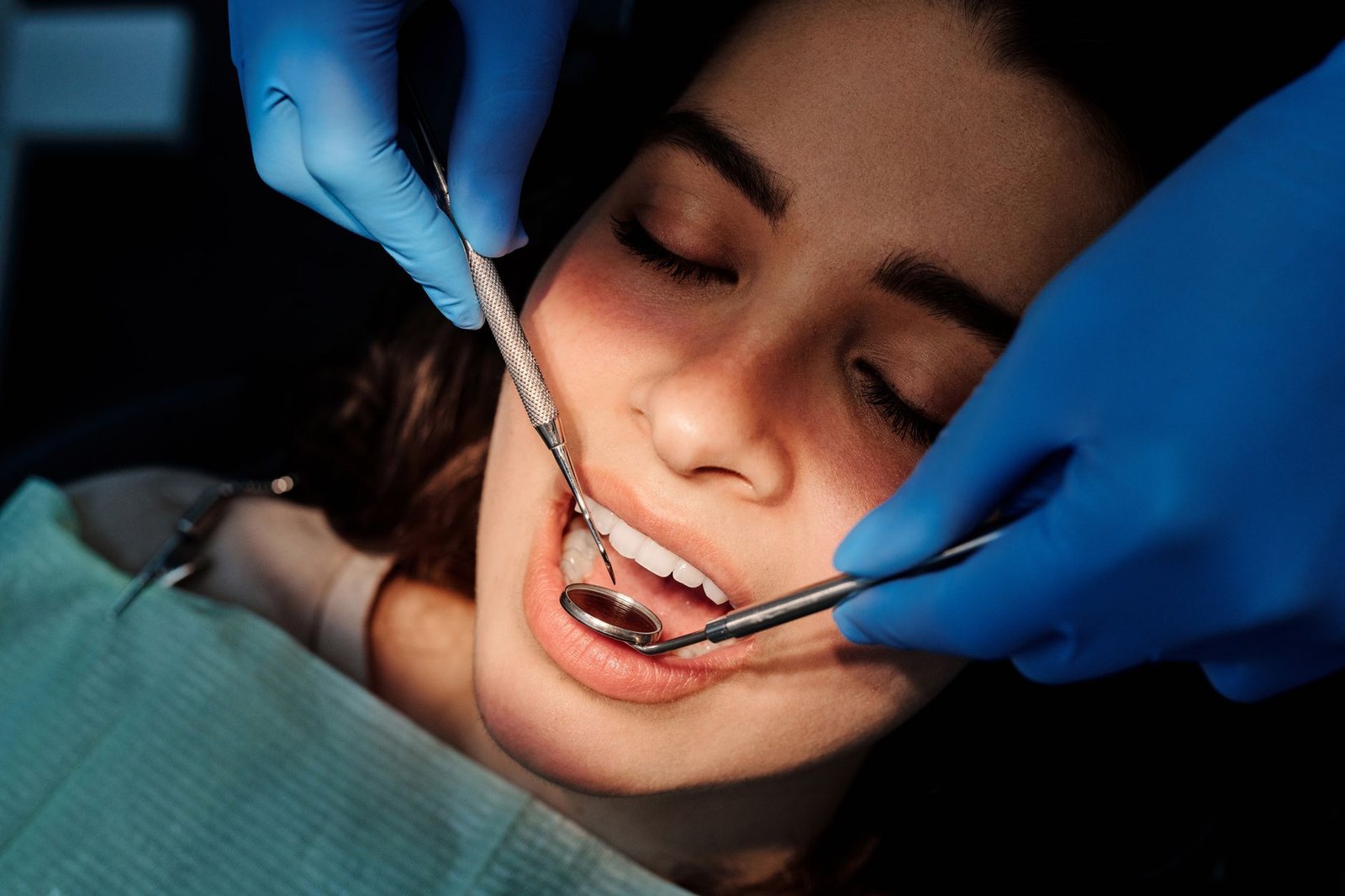
Professional treatment goes after the cause or seals the exposed area. According to Mayo Clinic and the Cleveland Clinic, the main options are:
- Fluoride varnish or gel. A dentist paints it on sensitive areas to strengthen enamel and ease pain.
- Dentin sealant. A coating that blocks the tubules.
- Bonding. A tooth-colored resin covers an exposed root surface.
- Fillings, inlays, or crowns. These repair decay, a worn filling, or damage that exposes dentin. The ADA lists this route too.
- A gum graft. When a root has lost its gum tissue, a small piece of tissue from elsewhere in the mouth can cover it.
- Root canal treatment. Mayo Clinic describes it as an option when severe pain does not respond to other treatments.
The last two are for loss of gum tissue or severe, persistent pain. Your dentist will match the treatment to the cause, which is why a diagnosis comes before a treatment.
Mistakes That Keep Teeth Sensitive
- Brushing harder to feel clean. It wears more enamel and moves gums back.
- Switching pastes every week. You never give any of them time to work.
- Avoiding the sore tooth. Plaque builds up where you skip, and the area gets worse.
- Sipping acidic drinks all day. Frequency matters as much as quantity.
- Waiting on a single painful tooth. One-sided, worsening pain is the pattern most likely to be a cavity or a crack.
- Using whitening on top of sensitivity. It adds to the problem.
Where Gum and Enamel Support Products Fit
Some readers ask whether a supplement can help. We found no trial showing that any oral supplement treats tooth sensitivity. That includes the product we review on this site.
Dentitox Pro is a liquid sold for gum and enamel support. You apply it to the teeth and gums, swish it, and spit it out. Our full Dentitox Pro review goes through the ingredients, pricing, and refund terms. The vendor does not publish ingredient amounts, and no independent trial tests the formula as a whole.
So where does it fit? At most, it is an add-on for someone who already brushes, flosses, and sees a dentist. It is not a treatment for exposed dentin, and it will not regrow gum tissue. If your sensitivity comes from recession, our guide on the best supplements for gum health shows what nutrients can and cannot do.
How Long Until It Settles
Expect days to weeks, not hours. In the stannous fluoride trial above, some relief appeared by day 3 and the gap widened through week 8. Sensitivity from recent dental work often fades on its own over a few weeks.
Sensitivity from recession or worn enamel is a long-term condition. Lost gum tissue and lost enamel do not regrow, so the goal is to protect what you have and keep symptoms quiet. A paste, softer habits, and a dentist's varnish when needed are the standard tools.
When to See a Dentist
Book a visit if any of these apply. Do not wait for the next routine cleaning.
- Sensitivity that has not improved after about four weeks of consistent home care
- Pain in one tooth that is new, sharp, or getting worse
- Pain when you bite down or release a bite
- Pain that lingers or throbs after hot or cold, or that wakes you at night
- A visible dark spot, hole, or chip in a tooth
- Gums that look like they are pulling back, or teeth that look longer
- Swelling, a bump on the gum, a bad taste, or fever, which can signal an infection and should be seen quickly
If you have facial swelling with fever or trouble swallowing, seek urgent medical care. A dentist can treat the cause, and you will have an answer instead of a guess.
Frequently Asked Questions
Can sensitive teeth be cured permanently?
It depends on the cause. Sensitivity from a cavity, a worn filling, or a cracked tooth can end once a dentist repairs it. Sensitivity from gum recession or worn enamel is usually managed, not reversed, because lost gum tissue and enamel do not regrow on their own. Good habits and the right products can keep it quiet.
How long does desensitizing toothpaste take to work?
Plan on weeks, not days. The American Dental Association notes these pastes typically need multiple applications. In one 8-week trial of 118 people, stannous fluoride toothpaste produced measurable gains at day 3, with the biggest differences by weeks 2 and 8. Stop and call a dentist if there is no change after about four weeks.
Is sensitive teeth pain always a sign of a cavity?
No. Worn enamel, exposed roots, and recent whitening are common causes. But a cavity, a worn filling, or a cracked tooth can feel the same, so a new or one-sided pain deserves an exam.
Does whitening toothpaste make sensitivity worse?
It can. The Cleveland Clinic lists whitening products as a trigger for sensitivity. If your teeth hurt after whitening, pause the product and talk to your dentist about gentler options.
Can I put desensitizing toothpaste directly on the sore tooth?
Yes. The Cleveland Clinic suggests dabbing desensitizing toothpaste onto sore spots before bed. Spit, but skip the heavy rinse so the paste stays on the area longer.
Do sensitive teeth mean my gums are receding?
Not always, but recession is one of the main causes. When gum tissue pulls back, the root surface is exposed, and roots have no hard enamel cover. If you can see the tooth looking longer, read our guide on receding gums and book a dental check.
Can a supplement fix sensitive teeth?
We found no trial showing that any oral supplement treats tooth sensitivity. Products such as Dentitox Pro are sold for gum and enamel support, not as a treatment for this symptom. Daily care and a dentist visit come first.