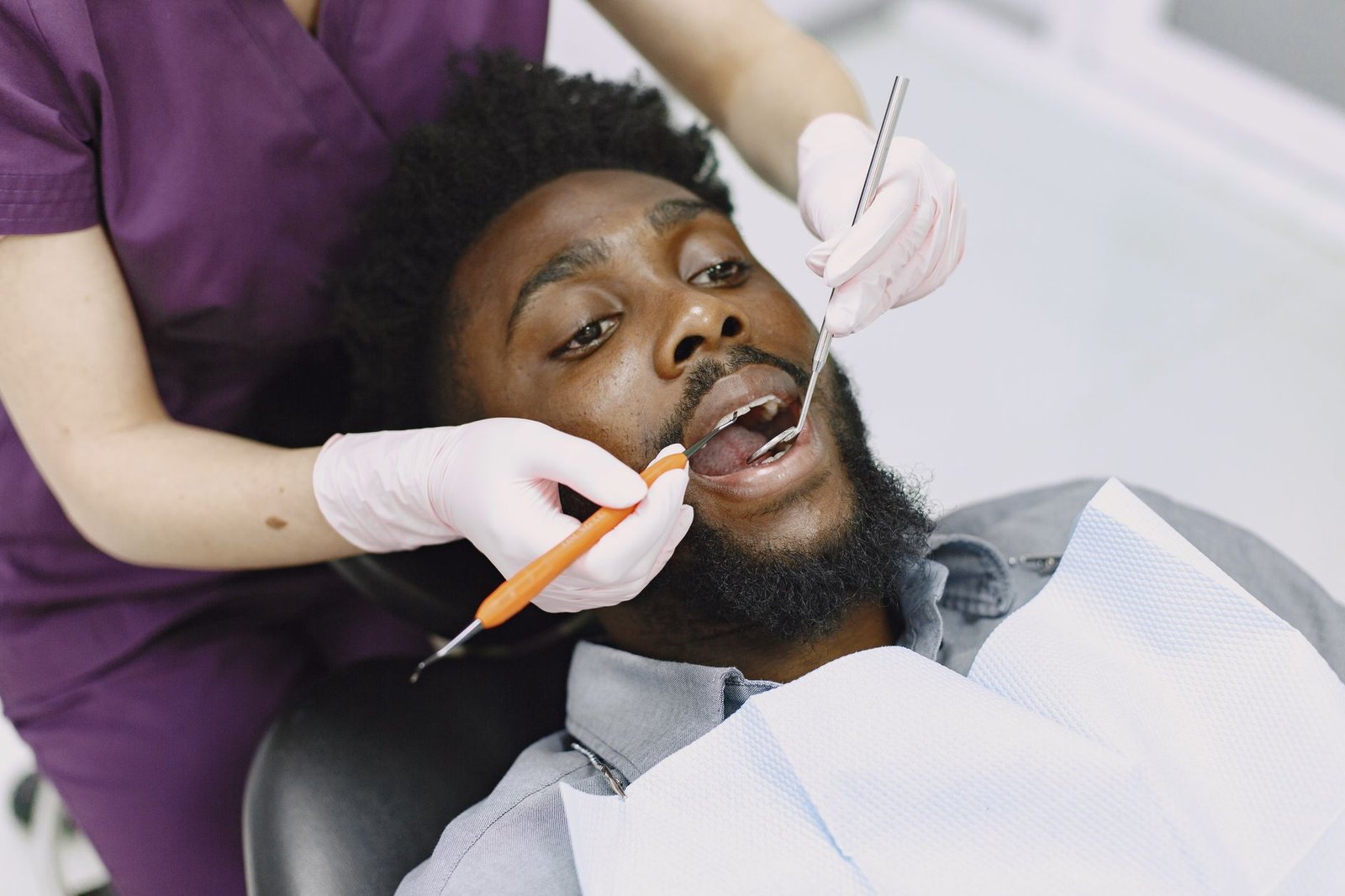
Swollen Gums Causes: 8 Reasons Your Gums Are Puffy and What to Do
Swollen gums causes are usually simple, but a few of them are not. Most of the time, the answer is plaque. Sometimes it is a medicine, a hormone shift, or an infection that needs a dentist today. This guide sorts the common reasons from the urgent ones.
Puffy gums look red or dark pink, feel tender, and may bleed when you brush. They can also look shiny and stretched. That last sign is one that MedlinePlus lists for gingivitis. Gum swelling is often painless or only mildly tender, which is why people leave it for weeks.
Use the sections below as a checklist. Match your symptoms to a cause, then check the red flags before you decide how fast to act.
1. Plaque and Gingivitis: The Most Common Cause
Plaque is a sticky film of bacteria that forms on your teeth every day. If it stays along the gumline, the gums react. They swell, turn red, and bleed easily. MedlinePlus names plaque buildup as the main cause of gingivitis.
Plaque that is not removed can harden into tartar. Mayo Clinic notes that tartar collects more bacteria, makes plaque harder to remove, and irritates the gumline. You cannot brush off tartar. A dental professional has to scale it away.
Gingivitis is the reversible stage of gum disease. The bone that holds your teeth has not been damaged yet. For a deeper look at what can and cannot be reversed, read our guide on how to reverse gum disease.
Typical signs of plaque-driven swelling:
- Swelling along several teeth, not one spot.
- Bleeding when you brush or floss.
- Bad breath that returns soon after brushing.
- Little or no pain.
2. A Change in Your Brushing or Flossing Routine
Gums can swell for a few days after a routine change. Starting to floss after a long gap is the classic example. The floss disturbs plaque that was already inflaming the gums, so they bleed and look puffy for the first week or two.
A new, stiff brush or a harder brushing style can also irritate the tissue. Braces, retainers, and partial dentures trap plaque in places a brush does not reach. Swelling around orthodontic hardware is common and usually improves with careful cleaning around the wires.
If you just started flossing, keep going, but be gentle. Slide the floss in a C shape against each tooth. Do not snap it down onto the gum. If swelling has not eased after two weeks of steady care, the cause is probably something other than technique.
3. Pregnancy and Other Hormone Changes
Pregnancy is a recognized risk factor for gingivitis, according to MedlinePlus. Hormone levels rise, and gum tissue can react more strongly to the same amount of plaque. Puffy, tender, or bleeding gums during pregnancy are common enough that dental teams expect to see them.
Puberty and menopause also shift hormones in ways that can change how gums respond. The fix is the same as for plaque: thorough daily cleaning and regular dental visits.
Do not skip the dentist during pregnancy. In England, the NHS lists pregnant people and new parents (within 12 months of birth) among those who qualify for free NHS dental treatment. Check the rules where you live. Tell your dental team you are pregnant so they can plan around it.
4. Medications That Make Gums Overgrow
Three groups of drugs are linked to gum overgrowth. A review in the journal literature names them: anticonvulsants such as phenytoin, calcium channel blockers used for blood pressure and heart conditions, and the immunosuppressant cyclosporine.
The tissue grows thicker, and it can cover part of the teeth. It is not always an infection. Plaque makes it worse, and the same review describes plaque-related inflammation as one of the factors involved. That is why careful cleaning matters even when a drug is the main trigger.
Do not stop or change a prescribed medicine because your gums look swollen. Those drugs treat seizures, blood pressure, or transplant rejection. Tell your dentist which medicines you take. Your dentist can work with your prescriber, and may suggest more frequent cleanings or a surgical trim if the overgrowth is severe.
Other medicines can matter too. MedlinePlus lists certain medications as a general gingivitis risk factor. Bring a full medication list to your appointment.
5. Vitamin C Deficiency (Rare, But Real)
Severe vitamin C deficiency causes scurvy, and gum changes are a classic sign. A review on PubMed Central describes gingivitis with bleeding and receding gums, plus tooth decay, as the typical oral picture.
The same review says symptoms usually appear when blood levels fall low enough, which can happen within one to three months of very low intake. The groups at risk include people with alcohol use disorder, older adults on restricted diets, people with limited access to fresh fruit and vegetables, people with gut disorders, and smokers.
For most readers, this is not the cause. If your diet has any fruit or vegetables in it, plaque is far likelier. But if swollen, bleeding gums come with unusual bruising, fatigue, joint pain, or slow wound healing, ask a clinician about a blood test. Do not self-diagnose and do not start a high-dose supplement without advice.
6. Local Irritation, Injury, or Trapped Debris
If only one spot is swollen, think local. A popcorn hull or a piece of floss caught under the gum can inflame a small area within a day. So can a sharp chip of food, an overhanging filling edge, a crown that does not fit well, or a burn from hot pizza.
Canker sores and cold sores can sit on or near the gum and make the area look swollen. If a sore does not heal within a couple of weeks, have a dentist check it.
What helps while you wait:
- Rinse with warm water to flush out debris.
- Floss gently around the spot to dislodge anything stuck.
- Do not poke at it with a toothpick, a pin, or a fingernail.
- See a dentist if the swelling lasts beyond a few days or the spot keeps coming back in the same place.
7. A Gum or Tooth Abscess
An abscess is a pocket of pus caused by a bacterial infection. It can sit in the gum or at the root of a tooth. It looks like a swollen, tender lump, and it often hurts more than gingivitis does.
NI Direct describes the main symptom as severe, throbbing pain in the tooth or gum that comes on suddenly and can get worse over hours or days. Other signs include a bad taste, bad breath, a fever, trouble opening your mouth, and trouble swallowing.
The same page says to seek emergency dental help if you have facial swelling, a temperature of 38°C (100.4°F) or higher, severe pain that painkillers do not ease, or difficulty breathing. If you cannot reach an emergency dentist, go to an emergency department. Swelling that spreads to the face, jaw, or neck is not a wait-and-see problem.
An abscess does not clear up on its own. It needs dental treatment, and sometimes antibiotics as well. A salt water rinse may ease the discomfort but will not cure it.
8. Diabetes, Smoking, and Other Health Factors
MedlinePlus lists uncontrolled diabetes, smoking, and misaligned teeth among gingivitis risk factors. High blood sugar can make it harder for the body to control gum bacteria. Smoking reduces blood flow to the gums and can hide how much damage is happening.
Mouth breathing and dry mouth also play a part. Saliva helps wash away bacteria, so a dry mouth lets plaque build faster. If you wake with a dry mouth, see our guide on what causes dry mouth.
Rarely, swollen gums persist because of a blood disorder or another systemic condition. This is not a reason to panic. It is a reason to book a dental exam if swelling does not respond to good home care, and to mention it to your doctor.
What Helps Swollen Gums at Home
If your swelling looks like plaque-driven gingivitis, these steps are the ones that matter:
- Brush twice a day with a soft brush. Angle the bristles toward the gumline and use light pressure. Hard scrubbing makes inflamed gums worse.
- Clean between your teeth once a day. The NHS recommends brushing twice daily with fluoride toothpaste and daily interdental cleaning. Floss, interdental brushes, or a water flosser all count.
- Rinse with warm salt water. Half a teaspoon of salt in a glass of warm water is a cheap comfort measure. It does not remove plaque, so treat it as an extra, not a substitute.
- Skip the mouthwash right after brushing. The NHS advises against rinsing with mouthwash straight after brushing, because it washes the fluoride off your teeth.
- Stop smoking if you smoke. It is one of the clearest controllable risk factors.
- Get a professional cleaning. MedlinePlus says a dentist cleans away plaque and tartar, and recommends calling your dentist for red, swollen gums if you have not had a cleaning in six months.
Avoid anything that promises to shrink swelling overnight. Sprays, gels, and mouth rinses can soothe, but they cannot remove tartar or fix an infection. If swelling has a clear cause, treat the cause.
Our guide on how to stop bleeding gums walks step by step through the daily routine.
Where Gum Supplements Fit (And Where They Do Not)
Some readers add a gum-focused supplement to a good hygiene routine. Be clear about what that can and cannot do. No supplement treats swollen gums. None removes plaque or tartar, treats an abscess, or replaces a dental exam.
In our full Dentitox Pro review, we looked at one product built around gum and enamel support. It lists vitamins A, C, D3, and K2, along with zinc, calcium, xylitol, collagen, and MSM. The sales page does not publish exact amounts, so you cannot judge dosing from the label. It comes with a 60-day money-back guarantee.
Treat any product as an add-on after you have found and treated the cause of your swelling. If you take prescription medicine or have a medical condition, ask your doctor or pharmacist before adding a supplement. This page does not recommend any product as a treatment for swollen gums.
When to See a Dentist or Doctor
Book a routine dental visit if your gums have been swollen for more than one to two weeks, even without pain. Ongoing swelling is a signal to have the cause confirmed.
Get urgent dental or medical help if you notice any of these:
- Swelling of the face, jaw, or neck.
- A fever of 38°C (100.4°F) or higher with gum or tooth pain.
- Severe, throbbing pain that painkillers do not ease.
- Trouble swallowing, opening your mouth, or breathing.
- Pus, a pimple-like bump on the gum, or a bad taste that will not clear.
- Loose teeth, or very swollen gums. The NHS lists very swollen gums, loose teeth, mouth ulcers, and lumps in the mouth among the signs that need urgent care.
- Gum swelling with unexplained bruising, nosebleeds, extreme tiredness, or fever. These can point to a blood or immune problem.
- Swelling that began after you started a new prescription.
For breathing trouble or swelling that spreads fast, do not wait for a dental appointment. Call emergency services or go to an emergency department.
At the visit, expect a quick exam. The dentist or hygienist will look at your gums, measure the small pockets around each tooth, and may take X-rays. You will leave knowing whether you have gingivitis, a medication effect, a local problem, or something that needs treatment now.
Frequently Asked Questions
Are swollen gums always a sign of gum disease?
No, but plaque-driven gingivitis is the most common reason. Medication, pregnancy, braces, a food particle stuck under the gum, a canker sore, or an abscess can also swell the gums. If the swelling lasts more than a week or two, a dentist should look at it.
How long do swollen gums take to go down?
Gingivitis from plaque often settles within one to two weeks once you clean along the gumline daily and have any tartar removed. Swelling from medication or hormones can last as long as the trigger does. Swelling that does not improve in two weeks needs a professional check.
Does salt water help swollen gums?
A warm salt water rinse is a low-risk comfort measure and may ease mild irritation. It does not remove plaque or tartar, so it works alongside brushing and flossing, not in place of them.
Can a blood pressure or seizure medicine make gums swell?
Yes. Some anticonvulsants such as phenytoin, some calcium channel blockers, and the immunosuppressant cyclosporine are linked to gum overgrowth. Never stop or change a prescribed medicine on your own. Tell your dentist and your prescriber so they can plan together.
Why are my gums swollen only in one spot?
A single swollen area often points to something local, such as trapped food or floss, a rough filling edge, an injury, or an abscess. If it is painful, throbbing, or comes with a bad taste or fever, see a dentist promptly.
Can a supplement fix swollen gums?
No supplement treats gum swelling, and none replaces cleaning, a dental exam, or treatment of the underlying cause. Correcting a true vitamin C deficiency can help gum health, but that is a medical problem to confirm with a clinician, not something to guess at.