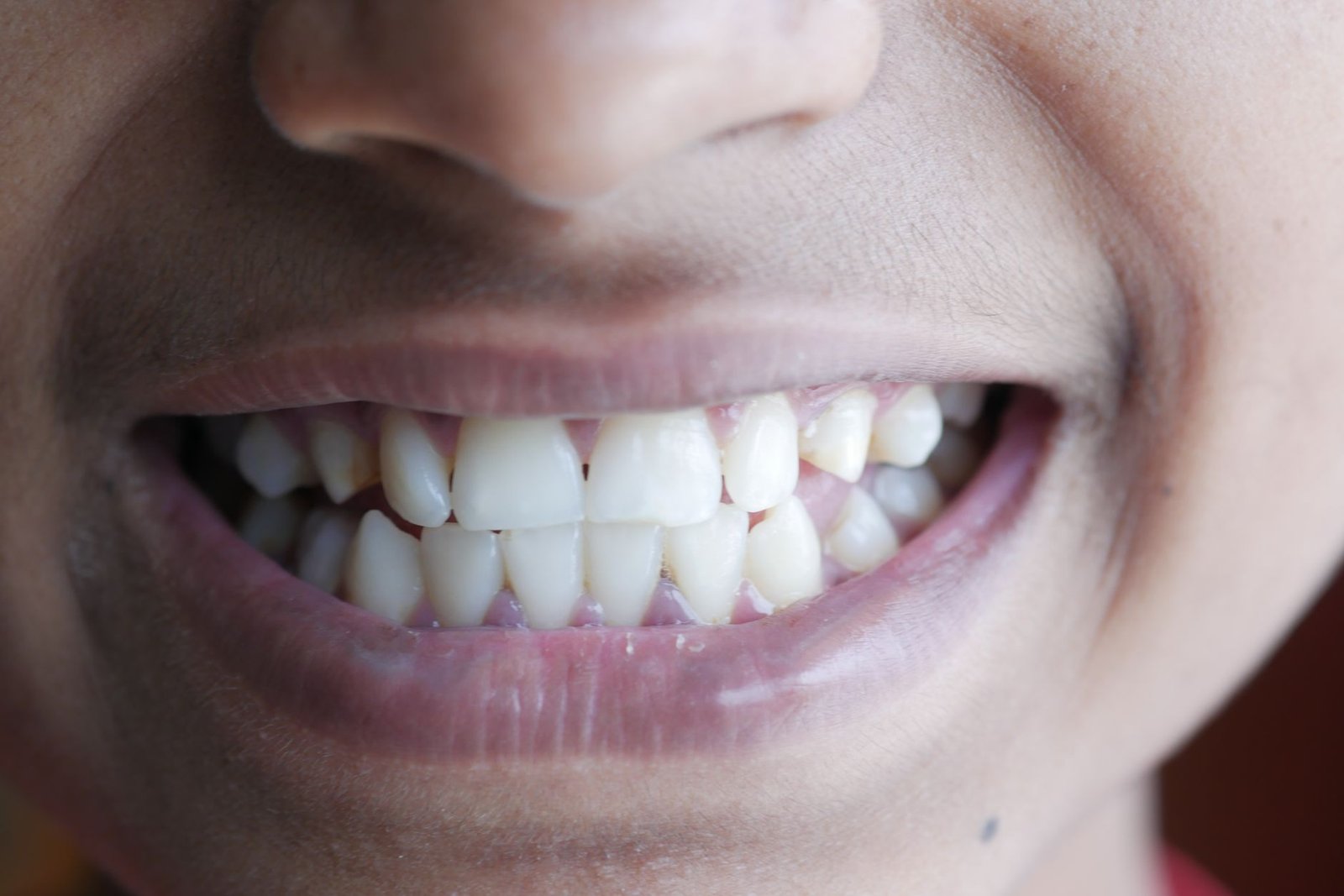
How to Rebuild Tooth Enamel: What Repairs and What Never Grows Back
How to rebuild tooth enamel starts with a hard fact: enamel that has worn away does not grow back. What you can do is harden the enamel you still have and stop losing more.
That gap between "rebuild" and "protect" is where most of the confusing advice online lives. Products promise to regrow enamel. Dentists say it cannot be done. Both camps are talking about different things.
The split is simple once you see it. Some enamel damage your mouth can repair with help. Some only a dentist can cover. And a few symptoms mean you should book an appointment this week.
What Enamel Is, and Why It Cannot Grow Back
Enamel is the hard outer shell of each tooth. It protects the softer dentin and the nerve-filled pulp underneath.
Cleveland Clinic calls enamel the hardest substance in the body, harder even than bone. Minerals make up 95 percent of it. Yet unlike bone, it cannot heal itself once it is worn through. Cleveland Clinic's tooth erosion page puts it directly: you cannot regrow enamel once it is gone.
What enamel can do is swap minerals with its surroundings. Acid pulls minerals out of the surface. Saliva and fluoride put some back. The National Institute of Dental and Craniofacial Research (NIDCR) explains that fluoride strengthens enamel and helps reverse early decay by replacing lost minerals.
So "rebuilding enamel" can mean two very different things:
- Remineralizing enamel that is still there but has gone soft or chalky. This is real, and you can help it along every day.
- Regrowing enamel that has physically worn away. This does not happen. A dentist can cover or replace the lost structure, but your body will not.
Any product that blurs those two is selling the second while delivering, at best, the first.
Erosion Versus Decay: Two Ways to Lose Enamel
You lose enamel in two main ways, and they need different fixes.
Decay starts with bacteria. Plaque bacteria feed on sugar and release acid right on the tooth surface. Over time that creates a soft spot and then a hole. Our guide on how to stop tooth decay covers that process, including the white-spot stage where it can still be halted.
Erosion needs no bacteria at all. The American Dental Association's MouthHealthy site describes it as acids in foods and drinks wearing away the enamel. Stomach acid does the same thing. The damage tends to spread across broad surfaces rather than forming a single pit.
MouthHealthy is blunt about the result: tooth erosion is permanent. It also notes that eroded enamel makes cavities and infection more likely later.
Erosion is common. Cleveland Clinic says it affects up to 45 percent of permanent adult teeth. Most of this article focuses on erosion, because that is what most people mean when they search for ways to rebuild enamel.
What Wears Enamel Away
Cleveland Clinic lists the main causes of tooth erosion. Most fall into three groups: acid from outside, acid from inside, and physical wear.
Acid from food and drink
MouthHealthy names soft drinks, especially soda and sports drinks, as the biggest culprit. Citrus fruit and juice, fresh lemonade and sour candy are also on its list. Carbonation adds acid on its own, so sugar-free fizzy drinks are not off the hook.
How you drink matters as much as what you drink. Sipping a soda over an hour, or holding juice in your mouth, keeps the enamel bathed in acid for longer.
Acid from your stomach
Chronic acid reflux (GERD) can bring stomach acid up into the mouth. A 2022 meta-analysis in Dentistry Journal pooled 28 studies with 4,379 people. It found dental erosion in about 52 percent of people with GERD, against about 21 percent of people without it.
Cleveland Clinic also lists bulimia nervosa, where repeated vomiting exposes teeth to stomach acid. If that applies to you, a doctor can help with both the eating disorder and the dental damage, and it is worth telling your dentist.
Physical wear
Grinding and clenching (bruxism) wear teeth down mechanically. Cleveland Clinic's bruxism page says untreated grinding can lead to tooth erosion and cracked or loose teeth. Brushing too hard, especially at the gumline, is on the erosion list too.
Acid and wear also compound each other. Acid softens the surface, and then brushing or grinding removes the softened layer faster.
Dry mouth
Saliva is your main defense against acid. It washes acid away and supplies the minerals that harden enamel again. Cleveland Clinic lists dry mouth, and long-term use of medicines such as antihistamines, as erosion risks. Our guide to bleeding gums touches on the same plaque-and-saliva balance from the gum side.
How to Rebuild Tooth Enamel Where It Can Be Rebuilt
The honest version of rebuilding enamel is helping softened enamel take minerals back in, and doing it before the soft layer wears away. These steps all serve that goal.
1. Use a fluoride toothpaste twice a day
NIDCR advises brushing twice a day with a fluoride toothpaste. Fluoride makes the enamel surface harder and more resistant to the next acid attack. Cleveland Clinic calls topical fluoride the most common treatment for early-stage erosion, while noting it cannot reverse erosion that has already happened.
2. Leave the fluoride on your teeth
After brushing, spit out the excess paste rather than rinsing with water. That keeps more fluoride in contact with the enamel. The same advice appears in our tooth decay guide, sourced to the NHS.
3. Give saliva time to work
Saliva needs time between acid hits to raise the pH and push minerals back into the surface. Grazing on acidic snacks or sipping juice all morning takes that time away. Keep acidic foods and drinks to mealtimes where you can.
4. Chew sugar-free gum after meals
Cleveland Clinic suggests sugar-free gum after meals to boost saliva. MouthHealthy recommends gum with the ADA Seal of Acceptance for the same reason. More saliva means faster acid clearance.
5. Ask about professional fluoride
NIDCR notes that a dentist can apply fluoride varnish or gel in the office. These are far more concentrated than toothpaste. If you have early erosion or sensitivity, ask whether a varnish or a prescription-strength paste makes sense for you.
Habits That Protect the Enamel You Have Left
Since lost enamel stays lost, the most valuable work is slowing further loss. These habits come straight from MouthHealthy and Cleveland Clinic guidance.
- Wait before you brush after acid. MouthHealthy advises waiting an hour after acidic food or drink. Cleveland Clinic says at least 30 minutes. Brushing straight away scrubs off enamel that acid has just softened.
- Rinse, or follow with dairy. MouthHealthy suggests rinsing with water, drinking milk or eating some cheese after acidic foods. Dairy and other calcium-rich foods help neutralize acid.
- Use a straw for acidic drinks. It keeps more of the drink off your front teeth. Sip and swallow rather than swishing.
- Eat acidic foods with meals. MouthHealthy suggests eating tomatoes and citrus as part of a meal, not on their own.
- Brush gently with a soft brush. Hard scrubbing is on Cleveland Clinic's list of erosion causes.
- Stop eating three hours before bed. Cleveland Clinic includes this in its erosion prevention tips.
- Treat reflux. If you have frequent heartburn, talk to your doctor. Getting reflux under control means less acid reaching your teeth.
- Protect against grinding. Cleveland Clinic says most people who grind can ease symptoms with a custom mouth guard from a dentist, worn regularly.
None of these habits costs much. Together they cut both the number of acid attacks and the wear that follows each one.
Fluoride, Stannous Fluoride and "Enamel" Toothpastes
Toothpaste aisles are full of "enamel repair" and "enamel strengthening" labels. The ingredient that matters most is fluoride, and the type of fluoride makes some difference for erosion.
Most pastes use sodium fluoride. Some use stannous fluoride, which contains tin. Short trials suggest stannous fluoride may protect enamel from acid better than sodium fluoride does.
One example is a 2019 randomized crossover trial in the International Journal of Dental Hygiene. Volunteers wore enamel samples in their mouths for 10 days. Samples exposed to a stabilized stannous fluoride paste lost 93.5 percent less enamel than those exposed to a sodium fluoride comparison paste.
Read that result with care. The trial had 33 people finishing it, ran for 10 days, used enamel samples rather than real teeth, and was funded by Procter & Gamble, which makes stannous fluoride toothpaste. It points in a useful direction, but it is not proof of long-term results in your mouth.
The practical takeaway is simple. Any fluoride toothpaste beats none. If erosion is your main concern, a stannous fluoride paste is a reasonable choice to discuss with your dentist. A label saying "enamel repair" does not mean the paste regrows anything.
Supplements and Enamel: What to Expect
Some supplements are marketed for teeth, and calcium, vitamin D and vitamin K2 often appear in them. These nutrients matter for bone and tooth development in general nutrition science. That does not mean taking them as an adult will put enamel back on a worn tooth. No pill, drop or powder can do that.
One product in this space is Dentitox Pro, a liquid applied as drops to the teeth and gums. Its label lists xylitol, vitamins A, C, D3 and K2, zinc, calcium and phosphorus, among other ingredients. As our full Dentitox Pro review explains, the vendor does not disclose ingredient amounts, and there is no independent clinical trial on the formula itself.
So it will not rebuild lost enamel. At most, it is an optional add-on for someone who already uses fluoride, has cut back on acid and sees a dentist. It is not a substitute for any of those. The review also covers pricing and its 60-day refund policy if you want the details.
If your gums are part of the picture, our roundup of the best supplements for gum health looks at vitamin C, vitamin D and other options against the published evidence.
What a Dentist Can Do for Lost Enamel
When enamel is gone, a dentist covers or replaces it with other materials. Cleveland Clinic lists these options for more advanced erosion:
- Fluoride treatment for early erosion, to harden what remains and cut sensitivity.
- Bonding, a tooth-colored resin placed over worn or sensitive areas.
- Veneers, thin shells bonded to the front of teeth.
- Crowns, caps that cover a badly worn tooth completely.
Each step up removes or covers more tooth and costs more. That is the strongest reason to deal with the cause early. A dentist will also want to know why the enamel is wearing, because a new filling or veneer faces the same acid and grinding as the old enamel did.
If you also notice gums pulling back from the teeth, that is a separate problem with its own causes. Our guide on how to stop receding gums covers it.
When to See a Dentist or Doctor
Early erosion is easy to miss. Cleveland Clinic and MouthHealthy list these signs. Book a dental appointment if you notice any of them:
- Sensitivity or pain with hot, cold or sweet food and drink
- Teeth looking more yellow or discolored
- Pitting or small dents on the tooth surface
- Chipped teeth, or fillings that seem to have changed
- Jaw pain or cracked teeth, which can come with grinding
See your doctor as well if you have frequent heartburn or repeated vomiting. The cause needs treating, not just the teeth.
Get urgent same-day care for severe tooth pain, facial swelling, a fever with tooth pain, or swelling that makes it hard to swallow or breathe. These point to infection, which is not something to manage at home.
Frequently Asked Questions
Can tooth enamel grow back?
No. Enamel is 95 percent mineral, and the body cannot make more of it once a tooth has formed. Cleveland Clinic states plainly that you cannot regrow enamel once it is gone. What can recover is enamel that has lost minerals but is still in place.
What is the difference between remineralizing and rebuilding enamel?
Remineralizing puts minerals back into enamel that is still there but has been softened by acid. Rebuilding, in the sense of making new enamel to replace what has worn away, does not happen. Lost tooth structure can only be covered or replaced by a dentist.
How long should I wait to brush after acidic food or drink?
The ADA's MouthHealthy site advises waiting an hour. Cleveland Clinic says at least 30 minutes. Either way, the point is to let saliva wash away the acid and harden the softened surface before you scrub it.
Which toothpaste is best for enamel?
Any fluoride toothpaste is the baseline. Stannous fluoride pastes have the strongest evidence for protecting against acid erosion, mostly from short in situ trials, many funded by manufacturers. Ask your dentist whether a prescription-strength paste suits you.
Can acid reflux damage my teeth?
Yes. A 2022 meta-analysis of 28 studies found dental erosion in about 52 percent of people with GERD against about 21 percent of people without it. If you have reflux, treating it with your doctor protects your teeth too.
Does Dentitox Pro rebuild enamel?
No supplement has been shown to rebuild lost enamel. Dentitox Pro lists xylitol, calcium and vitamins D3 and K2 among its ingredients, but it does not disclose amounts and has no independent clinical trial on the formula. Treat it as an optional extra, not a repair.
Are my teeth turning yellow because of thin enamel?
It can be. MouthHealthy lists a yellowish tint among the signs of erosion, because thinner enamel lets more of the darker dentin underneath show through. Staining from food, drink or tobacco is another common cause, so ask a dentist which one you have.
You cannot grow new enamel, but you decide how fast you lose the enamel you have. Fluoride, fewer acid hits and a gentler brush keep that loss slow.