White Spots on Teeth: Causes, What Fades and What Needs a Dentist
White spots on teeth have more than one cause, and the cause decides whether they can fade. Some are early decay that fluoride can still reverse. Others are fixed marks in the enamel that only a dentist can disguise.
You cannot tell which kind you have from the bathroom mirror. You can narrow it down, though. Where the spot sits, when it appeared, and your childhood and braces history all point toward an answer.
Why You Get White Spots on Teeth
Enamel is mostly mineral. A white spot appears when something changes how much mineral is there or how it is arranged. Four causes account for most cases:
- Early decay. Plaque acid pulls minerals out of the enamel surface.
- Dental fluorosis. Too much fluoride while the tooth was forming.
- Enamel hypoplasia. Enamel that formed too thin or incomplete.
- Molar incisor hypomineralization (MIH). Enamel that formed soft and porous, usually on first adult molars.
Braces add a fifth route, because they make plaque harder to clean. We cover that below.
Early Decay: The Spot You Can Still Reverse
The American Dental Association explains that bacteria in plaque make acids that attack tooth enamel. Over time, the enamel breaks down and a cavity forms. Before the hole, there is a stage where the enamel has lost minerals but the surface is still intact. That stage can look like a white spot.
The NHS lists white, brown or black spots among the signs of tooth decay. It also says a dentist can prescribe fluoride treatments, such as mouthwash or varnish, to reverse early decay.
A spot at this stage can still be repaired without a drill. It will not repair itself while plaque keeps sitting on it.
Early decay spots tend to show up where plaque stays: along the gumline, between teeth, or around where a bracket sat. Our guide on how to get rid of plaque covers the daily habits that matter most, and the tooth decay guide covers prevention in more detail.
Dental Fluorosis: Too Much Fluoride While Teeth Form
Fluorosis is a change in enamel that comes from taking in too much fluoride while the teeth are still forming under the gums. It does not develop in a tooth that has already come in. That is why it shows up in people who grew up with a lot of fluoride from water, supplements, or swallowed toothpaste.
It is common. In the CDC's national survey from 1999 to 2004, about 23 percent of people aged 6 to 49 had at least very mild fluorosis. Here is the breakdown:
- Very mild: 16.0 percent
- Mild: 4.8 percent
- Moderate: 2.0 percent
- Severe: under 1 percent
The CDC describes very mild fluorosis as small, paper-white areas scattered over less than a quarter of the tooth surface. Mild fluorosis has more extensive white areas, covering less than half the surface. Most cases are cosmetic.
Fluorosis is a change inside the enamel, so brushing will not remove it. If your spots are faint, on several teeth, and have been there as long as you can remember, fluorosis is a likely candidate. A dentist will confirm it.
That survey data is more than 20 years old, so current numbers may differ.
Enamel Hypoplasia and MIH: Enamel That Formed Poorly
Both of these start before the tooth ever appears in your mouth. The cause is something that disturbed the cells building the enamel.
Enamel hypoplasia
The Cleveland Clinic describes it as enamel that forms too thin or incomplete. Listed causes include inherited conditions, low vitamin A, C, or D or calcium in early life, viral or bacterial infections, tooth injury, and conditions such as celiac disease. Maternal factors during pregnancy are also listed.
The signs go beyond white spots. The page lists pits, grooves, yellow or brown stains, worn or chipped teeth, and sensitivity to hot and cold. Cavity risk is higher because the teeth have less protection.
Here is the hard part. The Cleveland Clinic states plainly that you can't reverse enamel hypoplasia. Lost or missing enamel does not regrow. Care focuses on protecting what is there and improving appearance.
Molar incisor hypomineralization
MIH is a related defect that affects one or more first permanent molars, sometimes the front teeth too. A study of 346 schoolchildren in Rome found it in 18.2 percent of them. Rates vary a lot between countries and study methods, so treat that as one data point, not a universal figure.
The affected enamel can be white or creamy, or yellow and brown. The Rome authors note that the yellow and brown spots were more likely to break down after the tooth came in. They also cite a review finding that children with MIH were 2.1 to 4.6 times more likely to have decay in their permanent teeth.
If your child has chalky patches on the first adult molars, mention it at the next dental visit.
White Spots After Braces
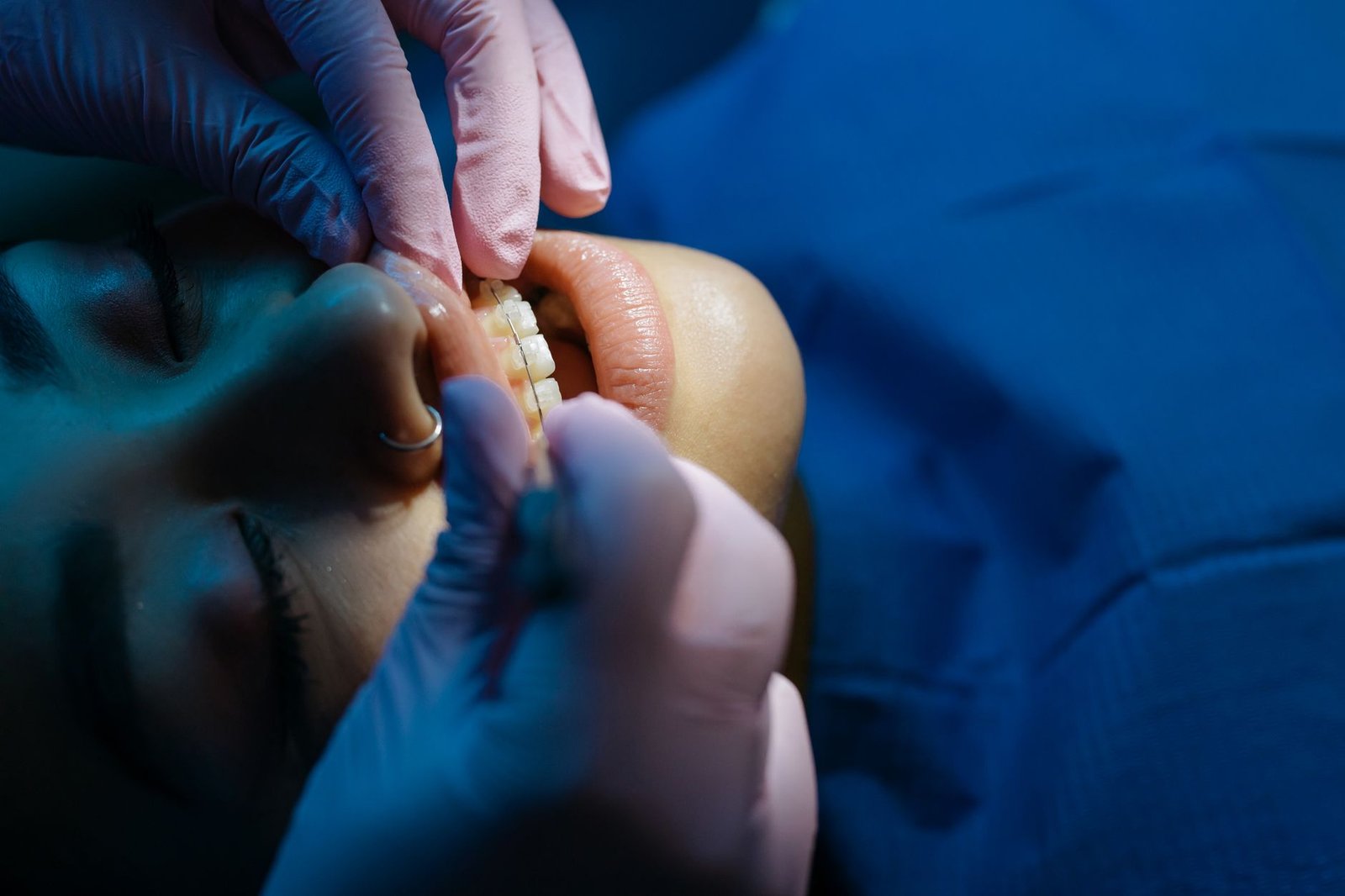
This is the cause readers ask about most often. Brackets and wires trap plaque. If the area is not cleaned well, acid builds up beside each bracket and the enamel loses minerals. When the braces come off, the spots show up as a pale outline of the bracket.
Prevention is better studied than cure. A Cochrane review of fluoride during fixed braces found two interventions worth knowing about, with a caution about the quality of evidence:
- 5,000 ppm fluoride toothpaste: 18 percent of patients developed new lesions, versus 27 percent with regular 1,450 ppm toothpaste. This came from one study of 380 people, and the authors rated the certainty low.
- Professional fluoride foam every 6 to 8 weeks: 12 percent developed new lesions, versus 49 percent with placebo foam. One study of 95 people, also low certainty.
Both results are promising, and neither is settled, because each rests on a single trial. Ask your orthodontist whether prescription-strength fluoride makes sense for you. Do not start a high-fluoride product without that advice.
If spots appear after the braces come off, the first step is fluoride, thorough cleaning, and a recheck. Some spots improve. Some do not, and that is where cosmetic options come in.
How to Tell the Causes Apart
This rough guide comes from the sources above. Only a dentist's exam can sort them reliably.
| Cause | Typical pattern | Can it fade? |
|---|---|---|
| Early decay | Near the gumline, between teeth, or where braces sat; plaque is usually present | Early lesions can improve with fluoride and cleaning |
| Fluorosis | Small paper-white areas, often on several teeth, present since the teeth came in | No; it can be masked by a dentist |
| Enamel hypoplasia | White spots plus pits, grooves, or brown stains; teeth may be sensitive | No; enamel does not regrow |
| MIH | White, creamy, yellow or brown patches, mainly on first adult molars | No; needs monitoring and sometimes repair |
Three of the four rows say no. A spot you can still reverse deserves quick action. A spot you cannot reverse deserves a calm talk about how much it bothers you.
What You Can Do at Home
Home care cannot fix fluorosis or hypoplasia. It can stop early decay from getting worse. The NHS lists the basics:
- Brush at least twice a day with fluoride toothpaste, and spit out without rinsing.
- Clean between your teeth daily with floss or interdental brushes.
- Limit sugary food and drink.
- Do not smoke.
- Keep up regular dental check-ups.
Do not assume whitening products will help. In the resin infiltration review below, the authors did not analyze bleaching alone, so we cannot say it removes these spots. Ask your dentist first.
What a Dentist Can Do
The right treatment depends on the cause and how visible the spot is to you. Here are the main options, with the evidence where we found it.
Fluoride treatment
Professional fluoride varnish or prescription toothpaste is the first line for early decay spots, as the NHS notes above. A dentist will recheck the spot over the following months to see whether it is stable or shrinking.
Resin infiltration
A dentist roughens the surface slightly, then flows a thin resin into the porous enamel so the spot blends in. A 2021 systematic review pooled 11 studies with 413 patients and found moderate-certainty evidence that infiltration masks white spot lesions better than no treatment. It also did better than fluoride varnish in the one comparison available.
The limits matter. Few trials were well run, median follow-up was only 6 months, and only three studies looked at fluorosis. Nobody can promise how long the result lasts.
Microabrasion, bonding, and veneers
The Cleveland Clinic lists enamel microabrasion, dental bonding, crowns, fillings, and veneers as options for hypoplasia, along with CPP-ACP mineral treatment to strengthen enamel. These cover or remove the surface layer, so they suit spots that bother you cosmetically or teeth that have broken down.
A mild spot you rarely notice may need nothing at all.
Where Gum and Enamel Support Products Fit
Some readers ask whether a supplement can erase white spots. Nothing in the research we read suggests that it can. Fluorosis and hypoplasia are changes in how the enamel formed. A supplement taken today cannot rebuild enamel that is already formed or missing.
Dentitox Pro is a liquid sold for gum and enamel support. You apply the drops to your teeth and gums, swish, and spit. The formula lists xylitol, vitamins C, D3, and K2, zinc, and calcium, among others. The vendor does not publish ingredient amounts, and no independent trial tests the formula as a whole. Our full Dentitox Pro review goes through the details, the pricing, and the 60-day refund policy.
At most, a product like this is an add-on for someone who already brushes with fluoride, cleans between teeth, and sees a dentist. It is not a treatment for existing spots. For gum health, see the best supplements for gum health.
White Patches in the Mouth That Are Not on Teeth
Sometimes the white patch is on the tongue, cheek, or gum. Two causes are worth knowing.
- Oral thrush. The NHS describes white patches in a red mouth. Wiping them off can leave red spots that bleed. See our guide to a white coating on the tongue for more on this.
- Leukoplakia. The NHS says these patches cannot be rubbed or scraped away. They carry a small risk of developing into mouth cancer over time, so any persistent white patch should be checked.
A patch that wipes off is more likely thrush. A patch that will not wipe off needs a dentist or GP.
Preventing New White Spots
You cannot change how your enamel formed. You can stop new spots from decay. Clean around braces with a small interdental brush. Keep sugary snacks and drinks occasional. Ask your dentist about your child's fluoride intake while teeth are forming. Keep up check-ups, so a dentist can spot a new chalky area early.
If your mouth is often dry, read what causes dry mouth. If gums bleed or swell too, see our guides on bleeding gums and swollen gums.
When to See a Dentist
Book a visit if any of these apply. Do not wait for your next routine check-up.
- A new white spot appeared in the last few months, especially near the gumline or around old brackets
- A spot is getting larger, changing color, or turning brown or gray
- Pain or sensitivity to hot, cold, or sweet foods in or near the spot
- A rough area, pit, or small hole where the spot is
- Chalky patches on your child's first adult molars
- A white patch on the tongue, cheek, or gum that will not wipe off or last more than a couple of weeks
- Swelling, a bump on the gum, a bad taste, or fever, which can signal infection and should be seen quickly
If you have facial swelling with fever or trouble swallowing, seek urgent medical care. A dentist can identify the cause and tell you whether the spot is worth treating at all.
Frequently Asked Questions
Are white spots on teeth a sign of a cavity?
Sometimes. A white spot can be the first stage of decay, when plaque acid has started to pull minerals out of the enamel. It can also be fluorosis or an enamel defect that formed years ago. A dentist can tell which one you have with an exam.
Can white spots on teeth go away on their own?
Only early decay spots have a chance to improve, and only with fluoride and good plaque control. Fluorosis and enamel hypoplasia are changes inside the enamel and do not fade with brushing. A dentist can make them less visible.
Do white spots on teeth mean I have too much calcium or too little?
Not in the way readers often assume. Spots from decay come from minerals lost at the tooth surface after plaque acid attacks. Low vitamin D or calcium during tooth formation is one listed cause of enamel hypoplasia. Adding a supplement later does not remove existing spots.
Why do I have white spots on my teeth after braces?
Plaque collects around brackets and wires, and the acid it makes can demineralize the enamel nearby. When the brackets come off, a pale outline may show where they sat. Fluoride care can help early spots, and resin infiltration can mask ones that stay.
Is dental fluorosis harmful?
Mild fluorosis is a cosmetic change in how the enamel looks. It is caused by too much fluoride while teeth form. In the CDC survey, most fluorosis was very mild or mild. Moderate and severe cases were much less common.
Can whitening toothpaste remove white spots?
We found no good evidence that it does. The spots are changes in the enamel itself, not surface stains. Ask your dentist before using whitening products on teeth with visible spots.
Can a supplement get rid of white spots on teeth?
Nothing in the research we read shows that any supplement removes white spots. Products such as Dentitox Pro are sold for gum and enamel support. They are not a treatment for fluorosis, hypoplasia, or existing decay. Brushing with fluoride toothpaste and seeing a dentist come first.