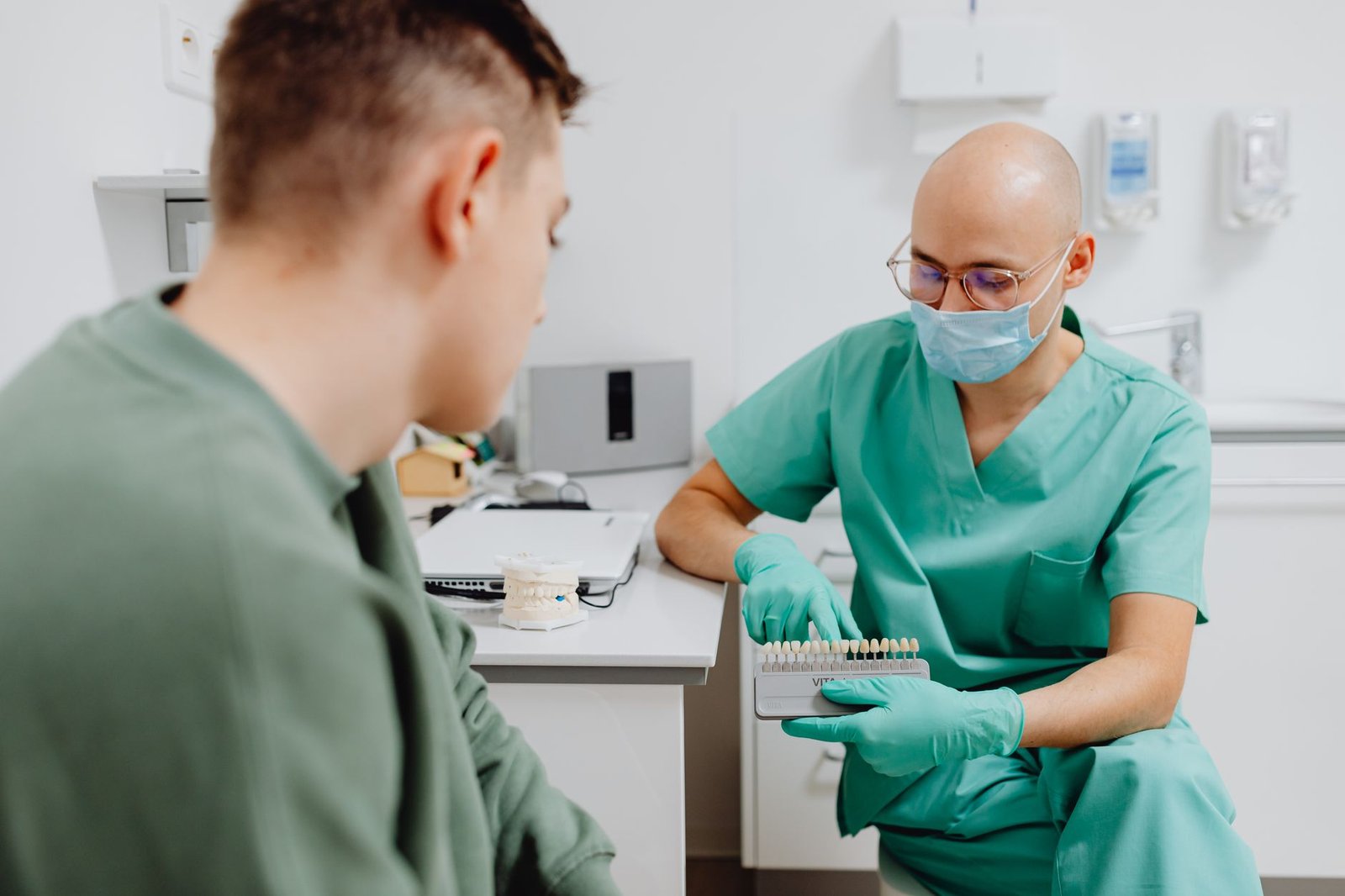
Yellow Teeth Causes: Why Teeth Turn Yellow and What Actually Helps
Yellow teeth causes fall into three groups: stain on the surface, a thinning layer of enamel, and color changes that start inside the tooth. Each group needs a different fix.
That is why the whitening toothpaste that worked for your friend may do nothing for you. The product is not the problem. The cause is.
Why Teeth Look Yellow: Enamel, Dentin and Stain
A tooth has two main layers you need to know about. The outer layer is enamel, a hard, semi-clear shell. Under it sits dentin, which is naturally a yellower shade.
Teeth never look pure white. What you see is a mix of the enamel's thickness, the dentin showing through it, and anything that has stuck to the surface. The Cleveland Clinic splits discoloration into two types. Extrinsic stains affect the outer surface of the tooth. Intrinsic discoloration begins inside the tooth, in the dentin.
The American Dental Association (ADA) uses the same split. It adds that intrinsic stains can form in the enamel or the dentin.
So when someone says their teeth are turning yellow, three things could be happening:
- Pigment is building up on the surface (extrinsic).
- The enamel is thinning and the dentin is showing through (an age and wear effect).
- The tooth itself has changed color from the inside (intrinsic).
Many mouths have a bit of all three.
Yellow Teeth Causes on the Surface: Extrinsic Stains
Surface stain is the most fixable cause. According to the ADA, extrinsic stains build up on the enamel surface. The usual causes are tobacco, metal salts and pigmented foods and drinks such as coffee, tea, red wine and cola.
Coffee, tea, red wine and cola
These drinks leave pigment behind each time you sip. One cup does little. A habit of several cups a day, for years, shows up.
Cleveland Clinic advises limiting tea, coffee, cola and red wine and rinsing with water after you drink them. It also says to wait about an hour after acidic foods before brushing. Brushing straight after an acid hit is not helpful, and our guide on how to rebuild tooth enamel explains why softened enamel needs time to recover.
Tobacco
The ADA names tobacco use as a main cause of surface staining. Cleveland Clinic recommends quitting smoking as part of preventing discoloration.
Plaque and skipped cleanings
Plaque is a sticky film of bacteria. It can harden into tartar, which is hard to remove at home. Our guide on getting rid of plaque covers what works at home and what needs a professional cleaning.
What helps surface stain
The ADA says mechanical methods and some over-the-counter products, such as whitening toothpastes and chewing gums, mainly remove extrinsic surface stains. A professional cleaning removes more. If the cause was a habit you can change, the stain often stops getting worse once you change it.
Yellow Teeth Causes Linked to Age and Thin Enamel
Some yellowing is not a stain at all. Cleveland Clinic explains that enamel thins over time, which reveals more of the yellowish dentin underneath. The ADA gives the same explanation under aging.
This is why teeth often look yellower at 50 than at 20, even in people who brush well and never touch coffee.
Acid, clenching and grinding, and hard brushing can push the same effect further. The enamel that is lost does not regrow, which our enamel guide covers in more detail. Early demineralized areas are a different matter and can sometimes be repaired, as explained in our guide to white spots on teeth.
Because the color comes from the tooth itself, scrubbing harder does not help. Hard scrubbing can make it worse by wearing away more enamel.
Thin enamel can also bring sensitivity. If you notice both, read our guide on how to fix sensitive teeth.
Yellow Teeth Causes Inside the Tooth: Intrinsic Discoloration
Intrinsic discoloration is the hardest group to treat. The color change sits inside the tooth, so no amount of brushing reaches it. The ADA lists these causes of intrinsic stain: genetic disorders, fluorosis, aging, childhood tetracycline use, caries (decay), amalgam restorations, pulpal necrosis (a dead nerve) and prolonged use of chlorhexidine rinse.
Medicines taken in childhood
Cleveland Clinic says adults who took tetracycline or doxycycline, both antibiotics, during childhood may have discolored teeth. It also notes that some antihistamines and blood pressure drugs can discolor teeth. If you take a long-term medicine and notice a change, tell your dentist and your prescriber. Never stop a prescribed medicine on your own because of tooth color.
Fluoride in childhood
Fluoride helps prevent cavities, but too much while teeth are forming can change their look. MouthHealthy, the ADA's patient site, says the chance of fluorosis exists until about age eight, because teeth are still forming under the gums. It usually shows as faint white lines or streaks, and it is not a disease and does not affect the health of your teeth.
Injury and a dead nerve
Cleveland Clinic lists injuries from falls, car crashes and sports as a cause. A nerve that dies after an injury may turn the tooth gray. Its advice is blunt: if a tooth changes color after an injury, do not assume it will heal on its own. Get it assessed.
Decay and old fillings
The ADA also lists decay and amalgam restorations among causes of intrinsic stain. A dark or brownish area on one tooth can be a cavity, which a whitening product will never fix. Our guides on stopping tooth decay and on cavities between teeth explain how decay is found and treated.
Genetics
The ADA includes genetic disorders in its list. A family pattern of yellow teeth is not a sign that you did anything wrong.
How to Tell Which Type You Have
You cannot diagnose this in the mirror, but a few clues help.
| Clue | Points toward |
|---|---|
| Stain is worst near the gums, on the inner surfaces or in grooves, and you drink coffee, tea or wine daily | Surface (extrinsic) stain |
| Whole mouth slowly yellower with age, no obvious habit | Thinning enamel showing dentin |
| Every tooth shows the same tint since childhood | Childhood medicine, fluoride or genetics |
| One tooth is darker or gray than its neighbors | Injury, dead nerve, decay or a restoration |
These are clues, not a diagnosis. A dentist can look at the pattern and tell surface stain from changes inside the tooth.
What Works for Each Cause
For surface stain: cleaning and whitening toothpaste
A professional cleaning removes plaque, tartar and some stain. Whitening toothpastes and chewing gums mainly remove surface stain and have little effect on intrinsic stain, according to the ADA. Used as directed, they are a low-cost place to start.
For stain inside the tooth: peroxide bleaching
The ADA says peroxide-based bleaching chemically changes the color of intrinsic stains. It adds that brown stains from tetracycline or fluorosis may respond better than white stains. It also warns that removing stains deep in the dentin with external whitening is near impossible. So expect partial results for some causes.
For stubborn or single-tooth color: bonding and veneers
Cleveland Clinic lists two cosmetic options when whitening is not enough:
- Bonding: tooth-colored composite resin that hides discoloration. Touch-ups are typically needed every five to seven years.
- Veneers: thin ceramic shells bonded to the front of the teeth. They are not reversible and may need replacing every five to 15 years.
These are dentist decisions that involve cost and permanent changes to the tooth.
What whitening will not touch
The ADA notes that only natural teeth whiten. Crowns, implants and tooth-colored fillings do not change color, so the result can look uneven.
Is Whitening Safe? Side Effects and Who Should Wait
Whitening has side effects, and some people should not do it.
The ADA says tooth sensitivity is the most common adverse effect. It is typically mild and temporary, and more likely at higher concentrations. Gum irritation usually comes from gel touching the gums, often because of a poorly fitting tray. The ADA also cites a 2018 Cochrane review of home whitening, which found sensitivity and oral irritation to be the most common adverse effects, mild and transient, and more frequent at higher concentrations.
The NHS lists these side effects: teeth sensitive to cold or sweet food and drink, sore gums or throat, and white patches on the gums. They usually last a short time. It also says whitening is not done on people aged 17 or younger, people with unhealthy teeth or gums, and people who are pregnant or breastfeeding. It is not suitable for crowns, dentures or implants, since it only lightens natural teeth.
On kits and salons, the NHS is direct. Whitening from beauty salons, or from pharmacy or online kits, does not work as well and may harm your teeth and gums. The chemicals are strong and should be used or sold only by dental professionals.
The ADA also supports seeing a dentist first. A pre-treatment exam, including health and dental history and any history of sensitivity, helps identify why the teeth are discolored.
How long results last
The NHS says whitening is not permanent, but the effect may last around 3 years if you follow your dentist's advice. Smoking and staining drinks shorten that, so the habits behind surface stain matter even after you whiten.
Keeping Teeth From Yellowing Faster
You cannot stop age or genetics. You can slow the parts you control. Cleveland Clinic's prevention list is short and practical:
- Brush at least twice a day for two minutes each time, and floss daily.
- Limit tea, coffee, cola and red wine, and rinse with water after drinking them.
- Wait about an hour after acidic foods before you brush.
- Quit smoking.
- Keep up with regular dental visits.
If your gums bleed when you brush, our guide on how to stop bleeding gums covers what to do.
Supplements and Tooth Color: Setting Expectations
Gum and tooth supplements are marketed heavily, so here is the plain version. No supplement has been shown to change the color of teeth. Color depends on enamel, dentin and stain, and a capsule or liquid does not remove stain or rebuild enamel.
One product in this space is Dentitox Pro, a liquid used as drops on the teeth and gums. Its ingredient list includes xylitol, zinc, calcium and vitamins A, C, D3 and K2. As our full Dentitox Pro review explains, the vendor does not publish ingredient amounts, and there is no independent clinical trial on the formula itself.
That makes it, at most, an optional extra for someone who already brushes, cleans between teeth and sees a dentist. It will not whiten teeth. The review also covers the $49 to $69 pricing and the 60-day money-back guarantee if you want the details.
When to See a Dentist or Doctor
Yellow teeth alone are usually a cosmetic matter. Cleveland Clinic says to see a dentist promptly if discoloration comes with any of these:
- Pain in a tooth
- Bad breath that does not clear up
- Bleeding gums
- Holes or pits in a tooth
Book a visit too if:
- One tooth has turned darker or gray, especially after an injury
- You are thinking about whitening and have not had a recent exam
- You are pregnant or breastfeeding and want to whiten, since the NHS says whitening is not recommended then
Get urgent same-day care for severe or throbbing tooth pain, a swollen face or jaw, fever with tooth pain, or swelling that makes it hard to swallow or breathe. Those signs point to infection, not a cosmetic problem.
Frequently Asked Questions
Are yellow teeth always a sign of poor hygiene?
No. Hygiene matters for surface stains, but enamel thins with age and lets yellower dentin show through, and some medicines, childhood fluoride exposure, injury and genetics also change tooth color. Clean teeth can still look yellow.
Why are my teeth turning yellow even though I brush every day?
Brushing removes surface stain, but it cannot change the color of dentin under thinning enamel or stains that formed inside the tooth. Coffee, tea, red wine, cola and tobacco can also stain faster than a brush removes them.
Does whitening toothpaste work on yellow teeth?
It can help with surface stains. The ADA says whitening toothpastes and chewing gums mainly remove extrinsic stains and have little effect on intrinsic ones. Peroxide bleaching changes the color of intrinsic stains, and a dentist can tell you which kind you have.
How long does professional whitening last?
The NHS says whitening is not permanent but may last around 3 years if you follow your dentist's advice. Smoking and staining drinks such as coffee, tea and red wine can shorten the result.
Can yellow teeth turn white again without treatment?
Surface stains can fade if you stop the cause and have a professional clean. Yellowing from thin enamel or from inside the tooth does not reverse by itself, because lost enamel does not regrow and internal stain sits in the dentin.
Are yellow teeth unhealthy?
Not by themselves. Color alone says little about tooth health. See a dentist promptly if discoloration comes with pain, bad breath, bleeding gums or holes in a tooth, or if one tooth darkens after an injury.
Is teeth whitening safe?
The ADA says the most common side effects are tooth sensitivity and gum irritation, usually mild and temporary. A dentist should check your teeth and gums first. The NHS says kits and salon treatments may harm teeth and gums.
Can Dentitox Pro whiten yellow teeth?
No. No supplement has been shown to change tooth color. Dentitox Pro lists ingredients such as xylitol, zinc and vitamins D3 and K2 but does not publish amounts, and there is no independent clinical trial on the formula. It is an optional extra at best.
Yellow teeth have three different causes, and a dentist is the one person who can tell you which one is yours before you spend a cent.